The process of electricity discharge can vary depending on several factors, but generally, it is completed within 5 to 7 business days. However, this time may be extended depending on the particular situation of the electrical installation and the efficiency of the electric company. Below, we explain in detail the steps and the estimated time for each one.
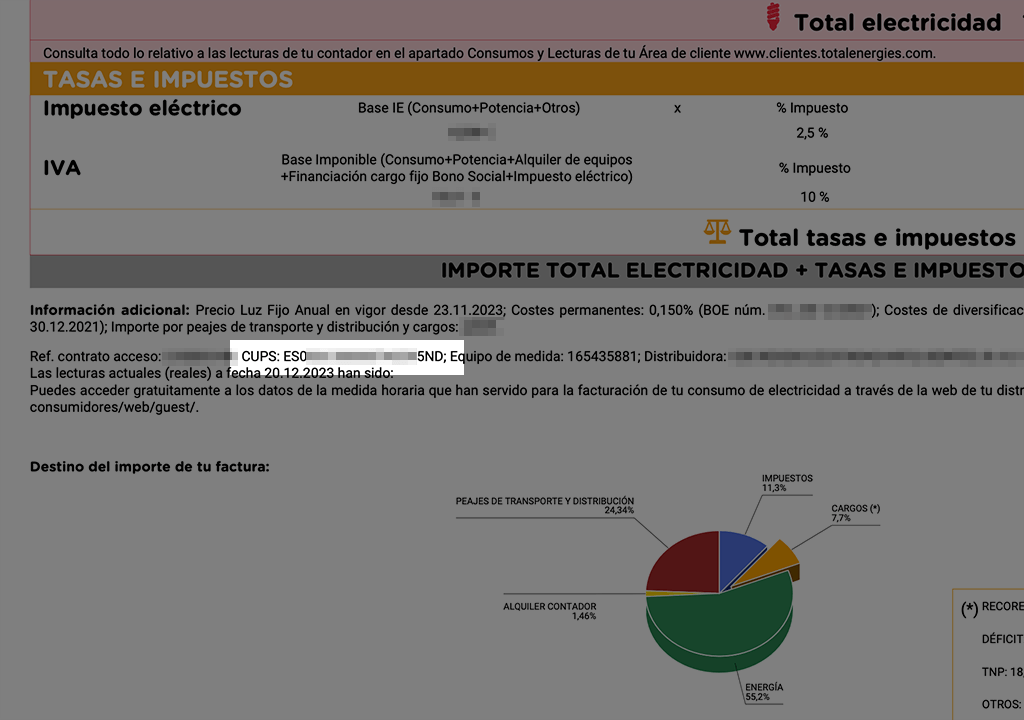
First, you will need to contact the electric company of your choice to initiate the registration process. During this contact, you will provide the necessary documentation, which includes your ID card, the property title or lease contract, the Universal Supply Point Code (CUPS), and the electrical bulletin or Electrical Installation Certificate (CIE) if it is a new installation or has been recently modified. This step can take between 1 and 2 business days, depending on how quickly you can gather and send all the necessary documents.
Once the electric company has received all the required documentation, they will review the information to make sure everything is in order. If the documentation is complete and correct, the company will proceed to manage the electricity supply. This internal process can take between 1 and 3 business days. During this time, the utility may need to verify some additional details or make technical inquiries.
In some cases, especially if it is a new installation or if the meter is not yet installed, the utility will send a technician to perform an inspection of the installation and meter connection. This step may add 1 to 2 additional business days to the process, depending on the availability of the technicians and the company’s workload. The meter installation and inspection are crucial steps to ensure that the connection is made in a safe and compliant manner.
Once these steps have been completed, the electric company will activate the supply and notify you that the electricity supply has been successfully completed. You will receive a confirmation in writing or via email, along with the details of your contract and the conditions of the contracted tariff.